menu
close
MENU
Find Your Treatment
Treatments
Conditions
Our Team
Locations
Schedule Appointment
Patient Portal
SI Joint Fusion
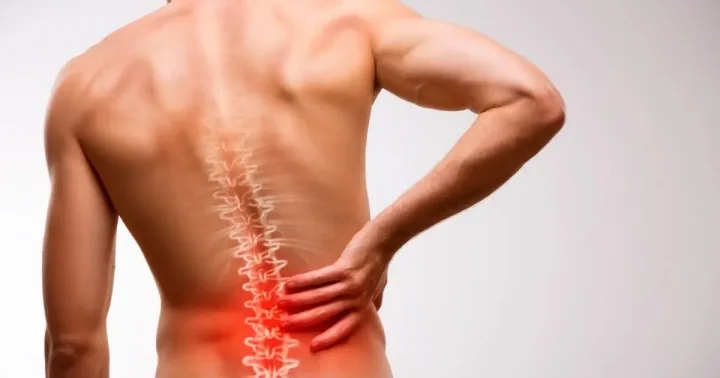
A minimally invasive procedure to treat lower back pain associated with the Sacro-Iliac Joint when conservative treatments prove ineffective.
Learn more
Platelet Rich Plasma
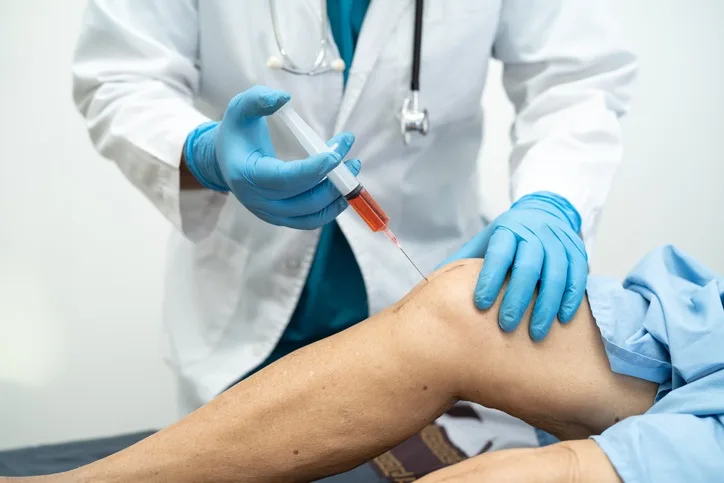
PRP injections use your own blood platelets to stimulate healing, performed under ultrasound or X-ray guidance by board-certified physicians.
Learn more
Kyphoplasty / Vertebroplasty
A minimally invasive procedure, also known as vertebroplasty, for treating spinal compression fractures, offering low complication risk and quick recovery time.
Learn more
Intracept
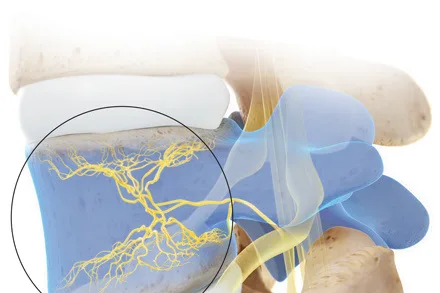
A minimally invasive, implant-free outpatient treatment that uses basivertebral nerve ablation to relieve chronic low back pain while preserving spinal structure.
Learn more
Lidocaine Infusion
An intravenous infusion that helps calm overactive nerve signaling for chronic neuropathic pain that has not responded to more traditional therapies.
Learn more
Trigger Point Injections
A minimally invasive injection that treats myofascial muscle pain by releasing the knots and spasms, known as trigger points, that form within tight muscles.
Learn more
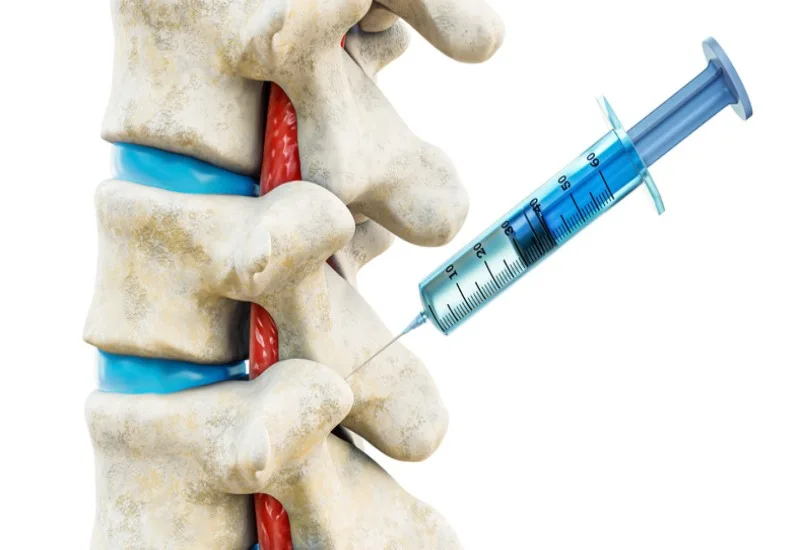
Nerve Blocks
An injection placed into a targeted nerve or group of nerves to interrupt pain signals, offering temporary or lasting relief while the underlying cause is treated.
Learn more
St. George · Washington County
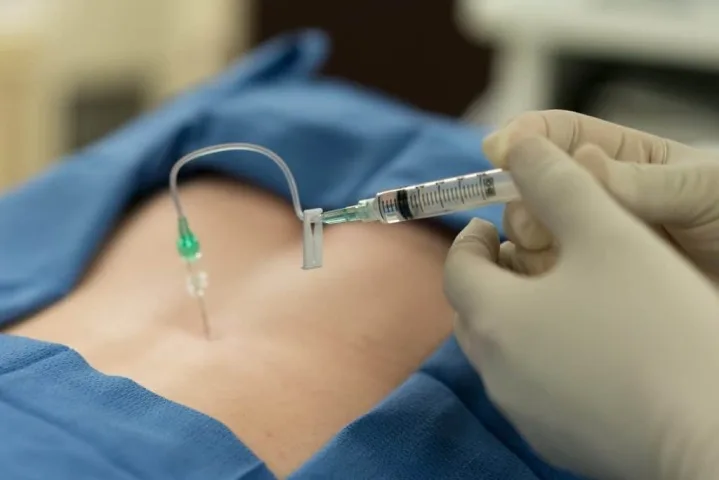
Nerve block injections
in St. George.
Nerve block injections offer temporary pain relief so you can address the underlying cause and take part in physical therapy and other pain management programs.
617 E. Riverside Dr, Suite 301, St. George, UT 84790
(435) 216-7000
Mon – Fri · 8 – 5
Book Appointment
Directions
St. George · Washington County
Pain management
services
in St. George.
Comprehensive interventional pain management for St. George and Washington County, built around compassionate, individualized care.
617 E. Riverside Dr, Suite 301, St. George, UT 84790
(435) 216-7000
Mon – Fri · 8 – 5
Book Appointment
Directions
Contact
Talk to a
real person.
Same-day appointments. The front desk answers the phone.
Call
(435) 216-7000
Fax · (435) 216-7001
Visit
617 E. Riverside Dr · St. George
Hours
Mon – Fri · 8 – 5
Schedule appointment